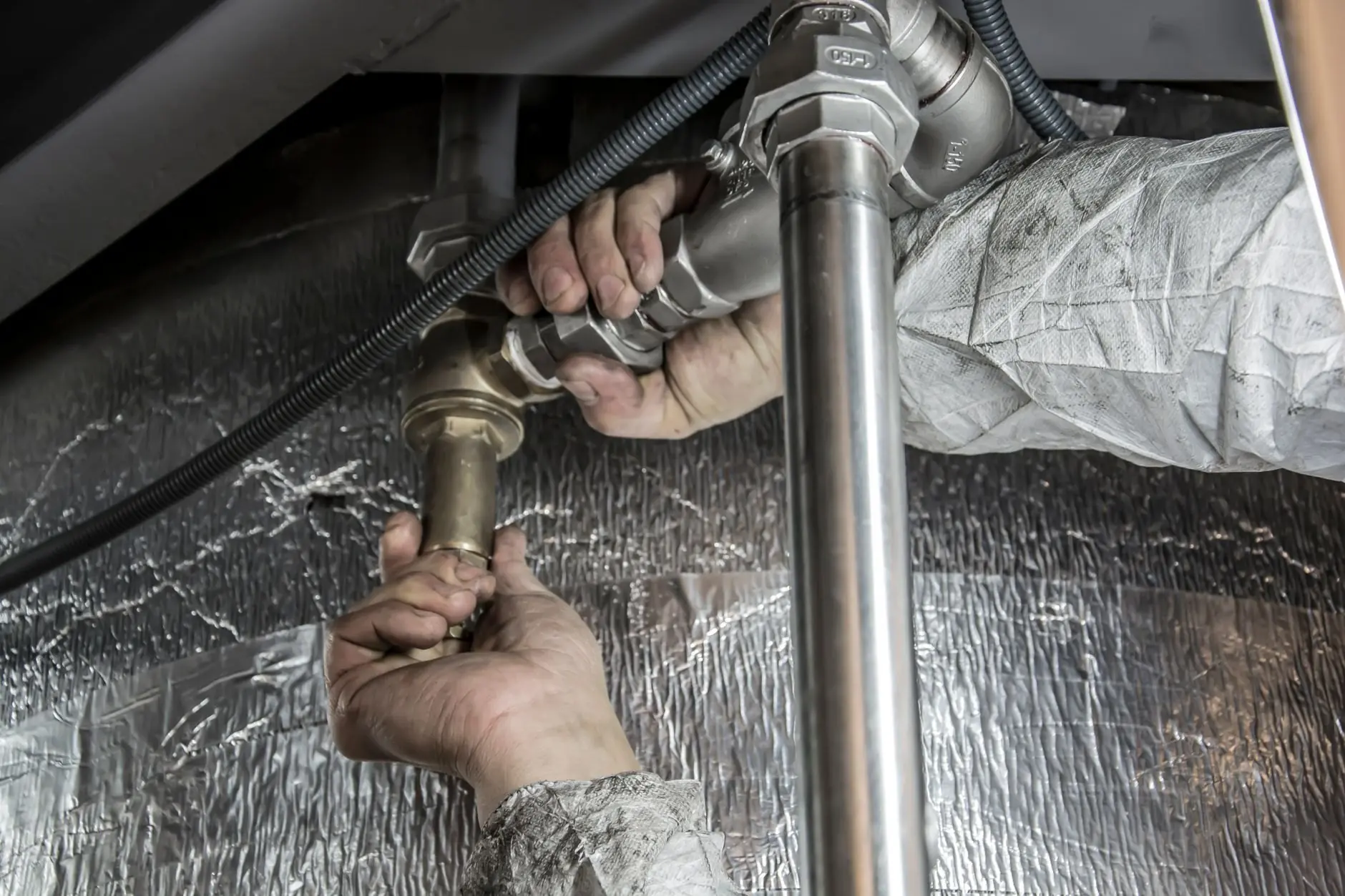
Two gloved hands tightening a joint on copper pipework with a wrench

Leaks, blockages and the drain that beat the plunger.

Most plumbing calls are small, urgent and about something that has been getting slowly worse. I carry an inspection camera and a wet vac, so a blocked drain gets looked at before anything comes apart.

What I turn up to

Ordinary household plumbing, the sort that doesn't need the floor taken up.

  • Sinks, basins and baths that drain slowly or stopped altogether
  • Dripping taps and worn washers
  • Leaking waste pipes, traps and compression joints
  • Condensate pipes that have come apart or frozen
  • Toilets that run on, or won't flush properly
  • Isolating valves fitted so the next job is easier

If water is actively coming through a ceiling, ring rather than message. That one shouldn't wait.

Two gloved hands tightening a joint on copper pipework with a wrench

How a blockage actually goes

There's a proper order to this, and it saves taking apart pipework that turns out to be fine.

  • Look first

    The inspection camera goes down before anything else. On one bathroom sink it found tweezers, five razor heads and a pile of screws, all held together with hair.

  • Clear it

    A wet vac and a hair-removal stick deal with most of them in ten minutes. No chemicals going down a pipe that's already struggling.

  • Strip it down if it needs it

    Some blockages are further along and the trap has to come off. That's a bigger job, and you'll know before I start it.

  • Stop it happening again

    I fitted a pop-up plug out of the van on that bathroom sink, so the next lot of hair stays where you can see it.

  • Chase down a leak

    A damp patch is rarely directly under the leak. Finding where the water actually starts is most of the work.

  • Tell you what caused it

    You'll hear what was in there and why it happened, so you can decide whether anything needs changing.

Want a price for this?

Ring, text or WhatsApp me with roughly what's going on. A photograph helps, and it often means I turn up with the right part.

Questions about this one

I'd rather look at it than pour something down it. Chemicals often move a blockage further along and make the real fix harder.

Often ten minutes once I can see what's in there. The looking is the quick part and the cause is usually obvious.

Most drips are a washer or a cartridge. I'll tell you which, and what a new tap would cost if that turns out to be better value.

Ring me. Finding where the water is coming from is something I do a lot of, and the sooner it's traced the less there is to put right.