Radiators that stay cold at the top, leaking valves, towel rails and immersion heaters.
Radiators, valves and the heating that never quite warms up.
My card says heating engineer, and most of what that means in practice is radiators, valves, controls and immersion heaters. Gas appliances are a Gas Safe job and I leave them alone.
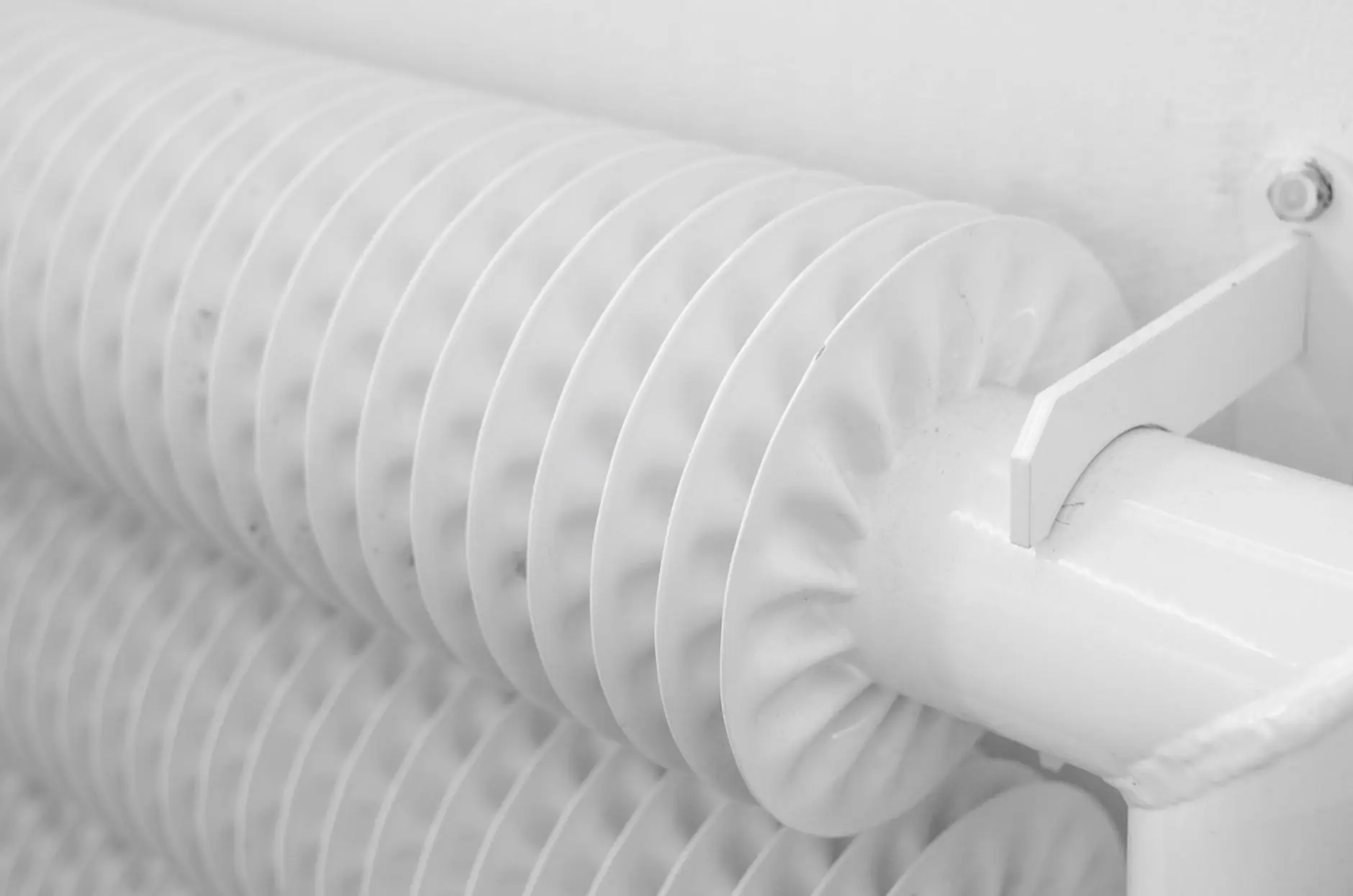
The usual complaints
Heating problems are rarely dramatic. They're small and annoying, and they've often been there for a couple of winters.
- A radiator that's cold at the top and hot at the bottom
- One room that stays cold while the rest are fine
- A valve weeping onto the floorboards
- A towel rail that came off the wall
- An immersion heater that stopped heating
- Thermostats and timers that nobody has set since they moved in
If the boiler itself is the problem, I'll say so and you'll want a Gas Safe engineer for that part.
What that covers
The parts of a heating system that aren't gas. That covers most of what you can actually see.
-
Bleeding and balancing
Air at the top of a radiator is a ten minute fix. A system where the far rooms never get warm is a balancing job, and it's worth doing properly once.
-
Valves and leaks
Thermostatic valves seize, and the old ones weep. Changing one is straightforward and it saves the floorboards underneath.
-
Moving or swapping a radiator
Taking one off to decorate, putting a bigger one in, or moving it so the sofa can go where you want it.
-
Towel rails
Bathroom rails take a lot of weight and the fixings loosen. Putting one back on properly means fixing into something solid.
-
Immersion heaters
If the hot water went and the heating is fine, it's often the immersion element or its thermostat rather than anything bigger.
-
Controls and timers
Plenty of houses are heated to a schedule somebody else set years ago. I'll set it to suit you and show you how to change it.
Want a price for this?
Ring, text or WhatsApp me with roughly what's going on. A photograph helps, and it often means I turn up with the right part.
Questions about this one
-
Gas appliance work is a Gas Safe job and I don't take it on. Radiators, valves, controls and immersion heaters are all fine, and if your job turns out to need a gas engineer I'll tell you early.
-
Usually it's air, and bleeding it takes minutes. If it keeps coming back there's something else going on and that's worth looking at.
-
Often yes, depending on where the pipework runs. I'd want to see the room and the floor before I price it.
-
On a cylinder that's frequently the immersion heater or its thermostat. Ring me and we'll work out which.
The other things I do
While I'm there, it's worth asking about the rest of the list.
Fitting a new one, swapping a dead one, and working out why the one you have runs cold halfway through.
Dripping taps, slow drains, leaking waste pipes and the blockages a plunger has given up on.
Panelling goes straight over uneven walls, and it costs less than tiling and goes up in a day.
A two stage treatment that clears the mould and leaves the room feeling fresh again.
Key safes, meter boxes, shelves, handles, hinges and the list that has been on the fridge since spring.